Spirit Resonance
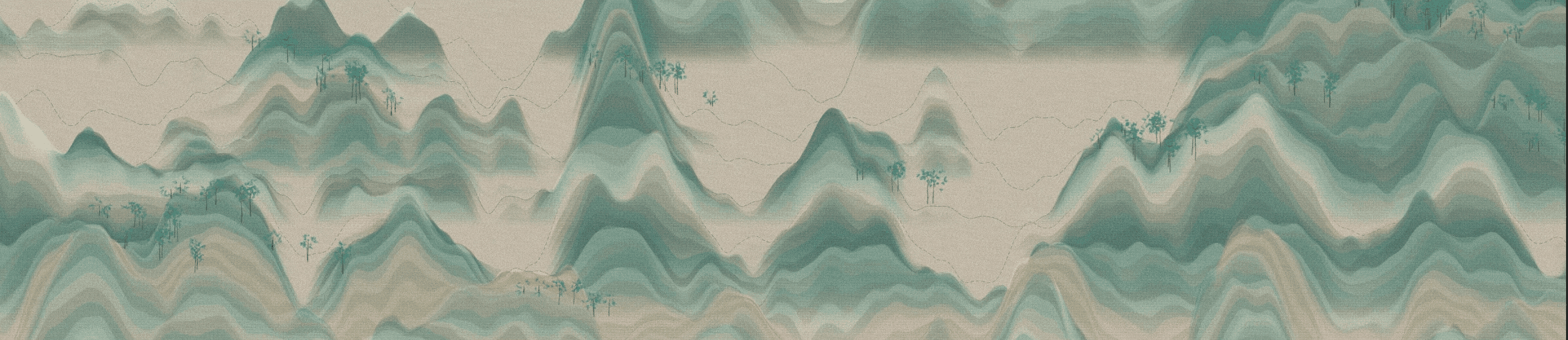
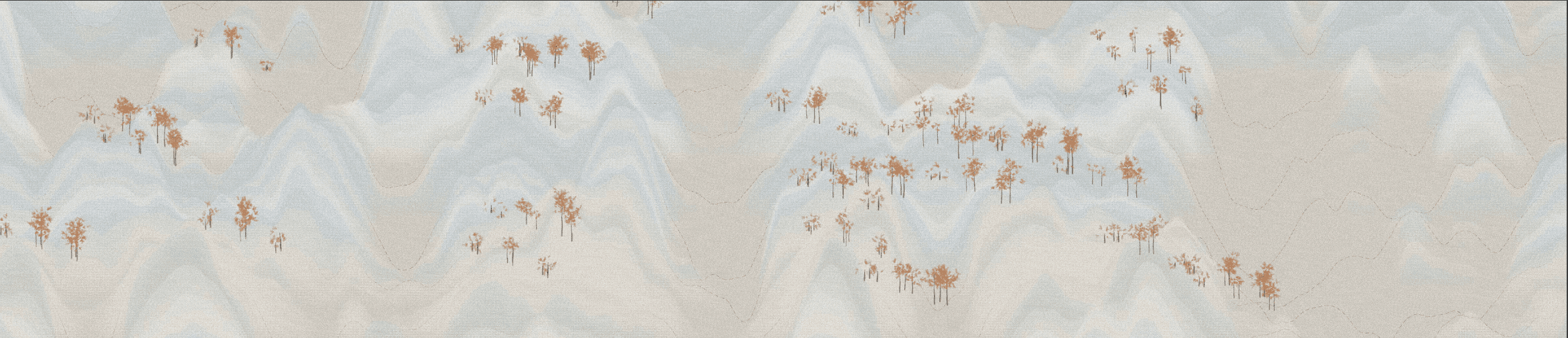
Spirit Resonance is as much of a p5.js art generator as it is a commentary on the rise of AI produced code and projects. Grounded in one of the foundational 6 Chinese painting principles, Qiyun Shengdong (氣韻生動), this piece challenges the viewer to consider whether the soul of the artist can live within lines of code, especially in the face of machine generated inputs and outputs.
Type
Genenrative Art
Coding
Team
Darcy McSwain
Stack
p5.js
Table of contents
Introduction to Chinese painting
What is Spirit Resonance
Just algorithm things
Why this project exists
Gallery
Inspiration from C.C Wang
What started this project was an accidental stumbling upon the words by Chi-Chien Wang, better known as C. C. Wang, was a Chinese-born artist and art collector based in New York City
C.C Wang is a renowned contemporary Chinese painting who's career critically challenged conventionally ideas within Chinese painting. One of which was the idea of "Spirit Resonance."
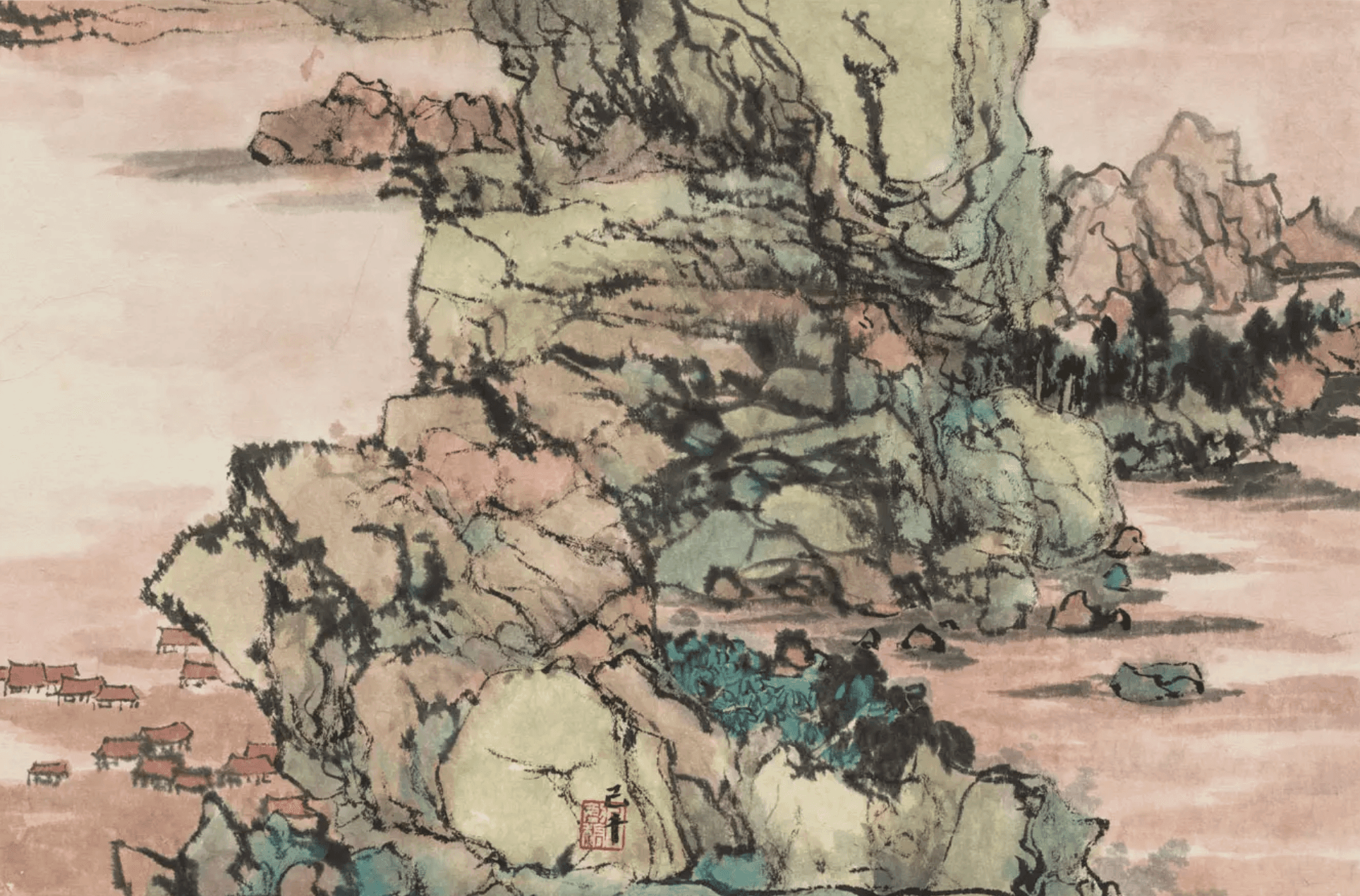
Fig 1. C. C. Wang, Leaf from Splendid Views of Rivers and Mountains, 1995–2001.
Collection of Pao Yung Chao. © the Estate of C.C. Wang. Photo: Stan Narten.
Spiritual Resonance: If we want to understand the trueh meaning of the artist, we much appreciate and penetrate deep into his brushwork, which is his primary means of expression.
Spiritual Resonance is grounded in the belief that there is a sacred exchange beween the artist and his brushstroke; That the act of creation is an exchange and act of imbueing a stroke with the spirit of the artist.
C.C Wang broke this down into Breath and Depth —
Breath
The explicit subject matter of the piece, the composition, the amount of trees etc
Depth
The inner spirit of the work, the personality of the artist reveal in the brushstroke
Order and Change
By employing Chance and Randomess, two functions coicidently found in code, C.C Wang blurred the lines between concepts of abstraction, chance, mark-making, and ultimately Spiritual Resonance.
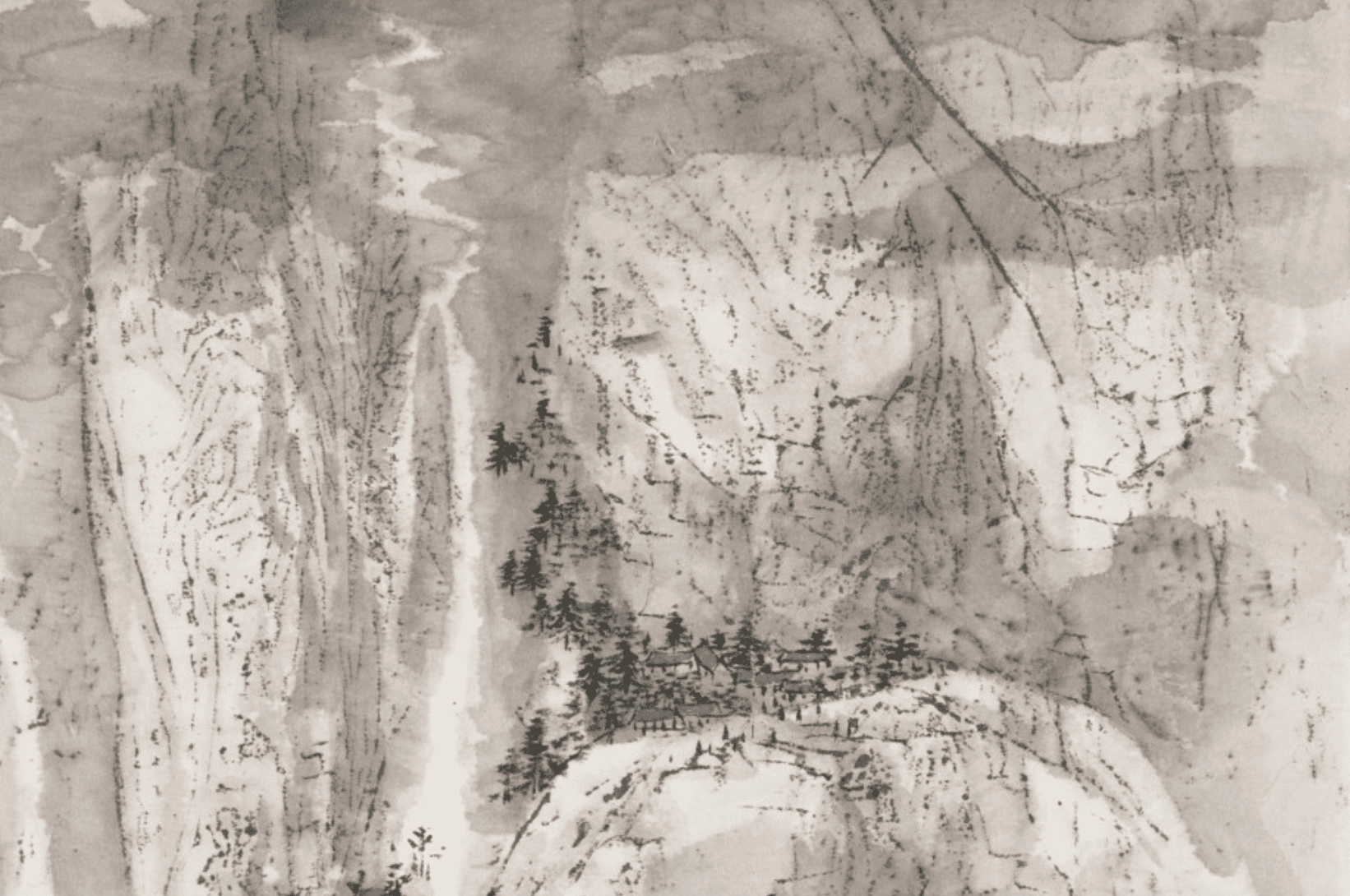
Fig 2. C. C. Wang, C. C. WANG (WANG JIQIAN, 1907-2003)
Landscape / Chan. A pair of scrolls, mounted on cardboard, ink and colour on paper
"Can the painting still function to represent the inner spirit of the work and personality of the artist even when the artist surrenders control to Tools and Processes outside of tradition?"
Spiritual Resonace in the Face of Code
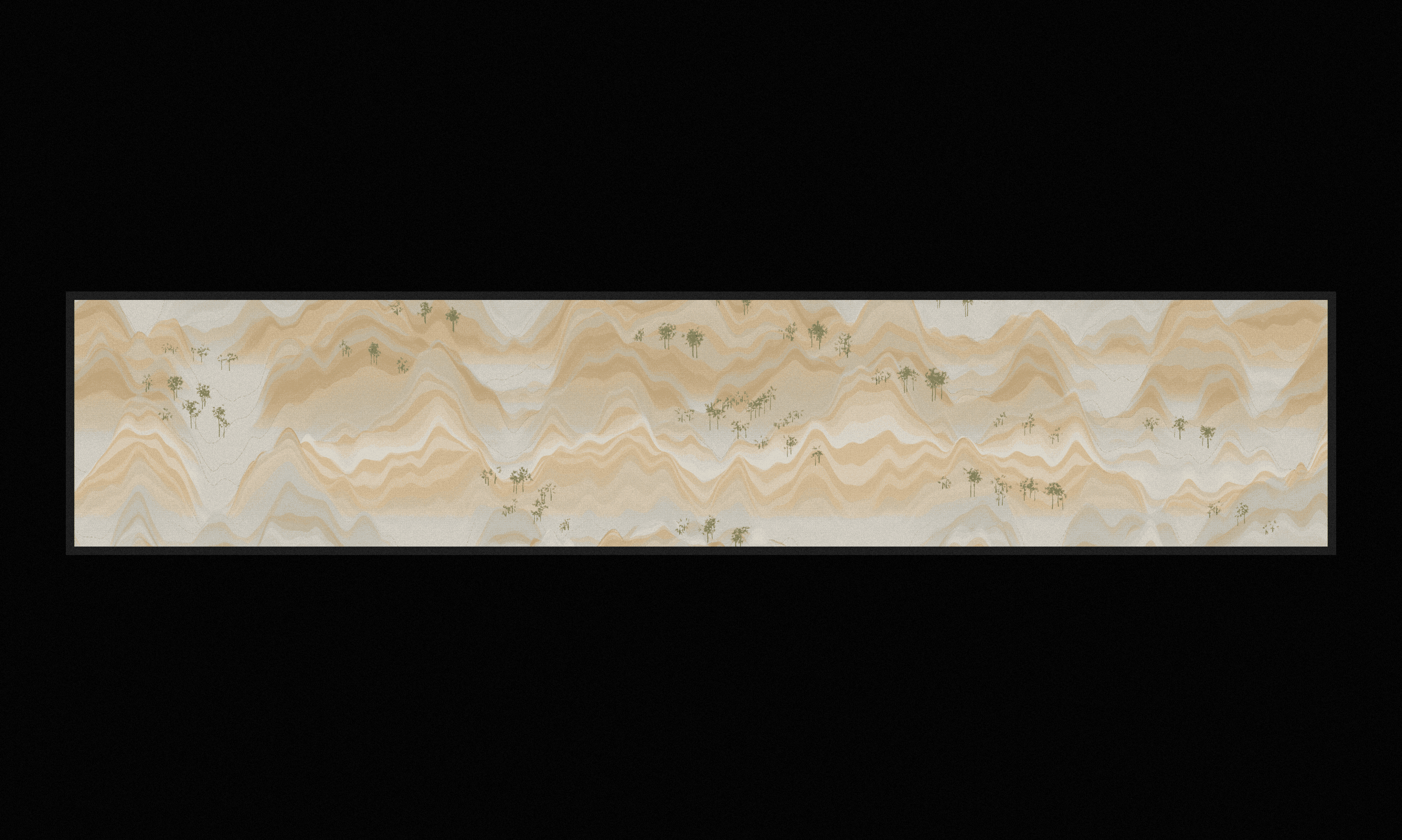
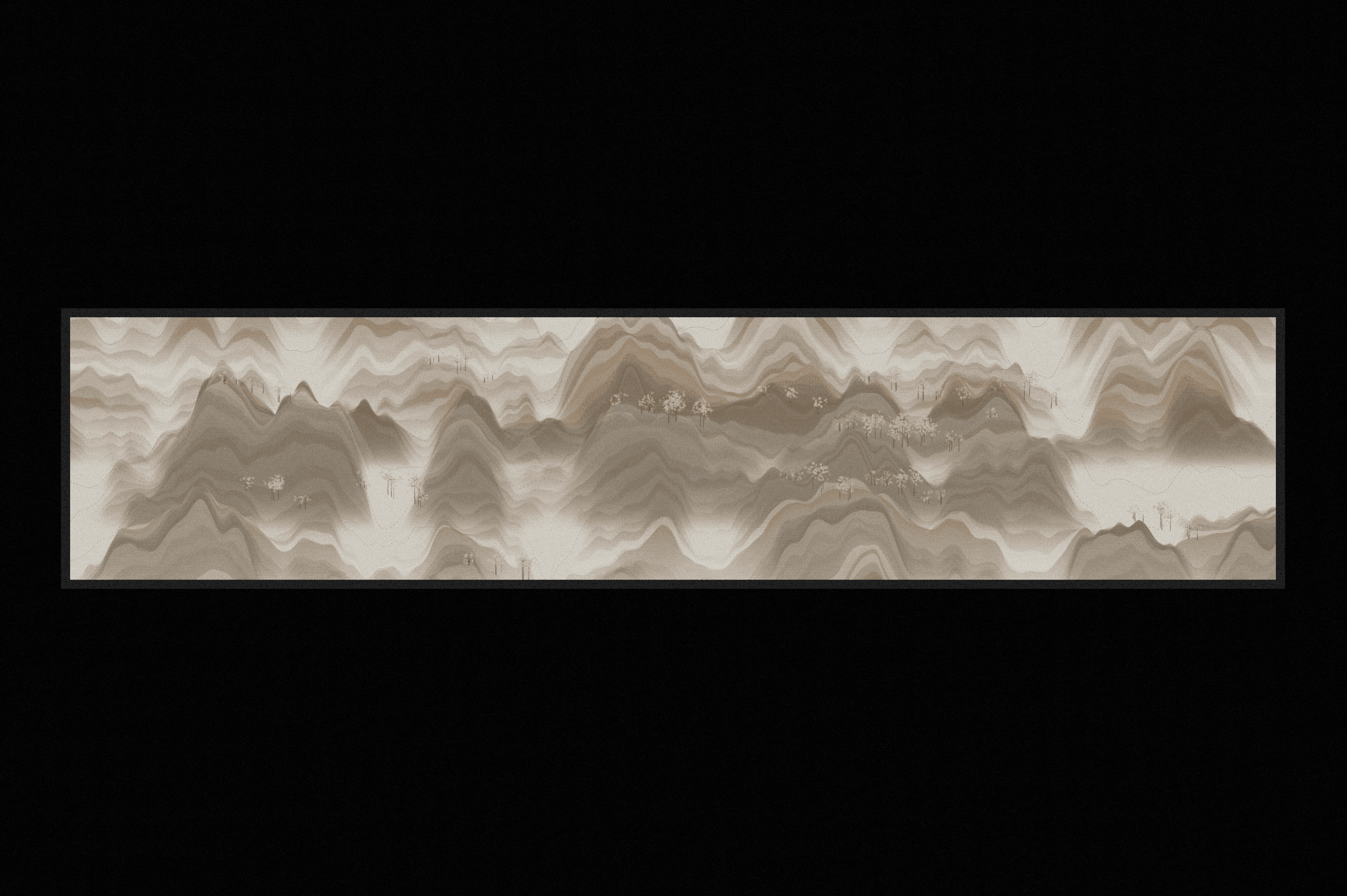
Using these understandings, I created an algorithm using p5.js that would take traditional elements of Chinese paintings, strokes, colors, aspect ratios, negative space, imagery, etc to create digital Chinese Paintings.
Much like C.C. Wang, I use randomness so that each composition generates layers of sine waves, selects colors from palettes I created, and determines where and how many trees to place.
"Copying the past is about holding precious the experience of the past while holding onto the contributions of the self"
Though these paitings weren't created with ink, they were born from meticulously written code. With a background in painting, they carry a sensitivity to traditional painting characteristics like tonality, suble texture, composition, lofty mountains, airy clouds, delicate trees etc... The code was written with a deep love and respect for my heritage and this art practice.
But I let a machine, a tool, a system [algorithm ] choose ultimately what to display and how.
So in the end, the piece asks you, the viewer...
Do you feel my spirit in these paintings?

Gallery
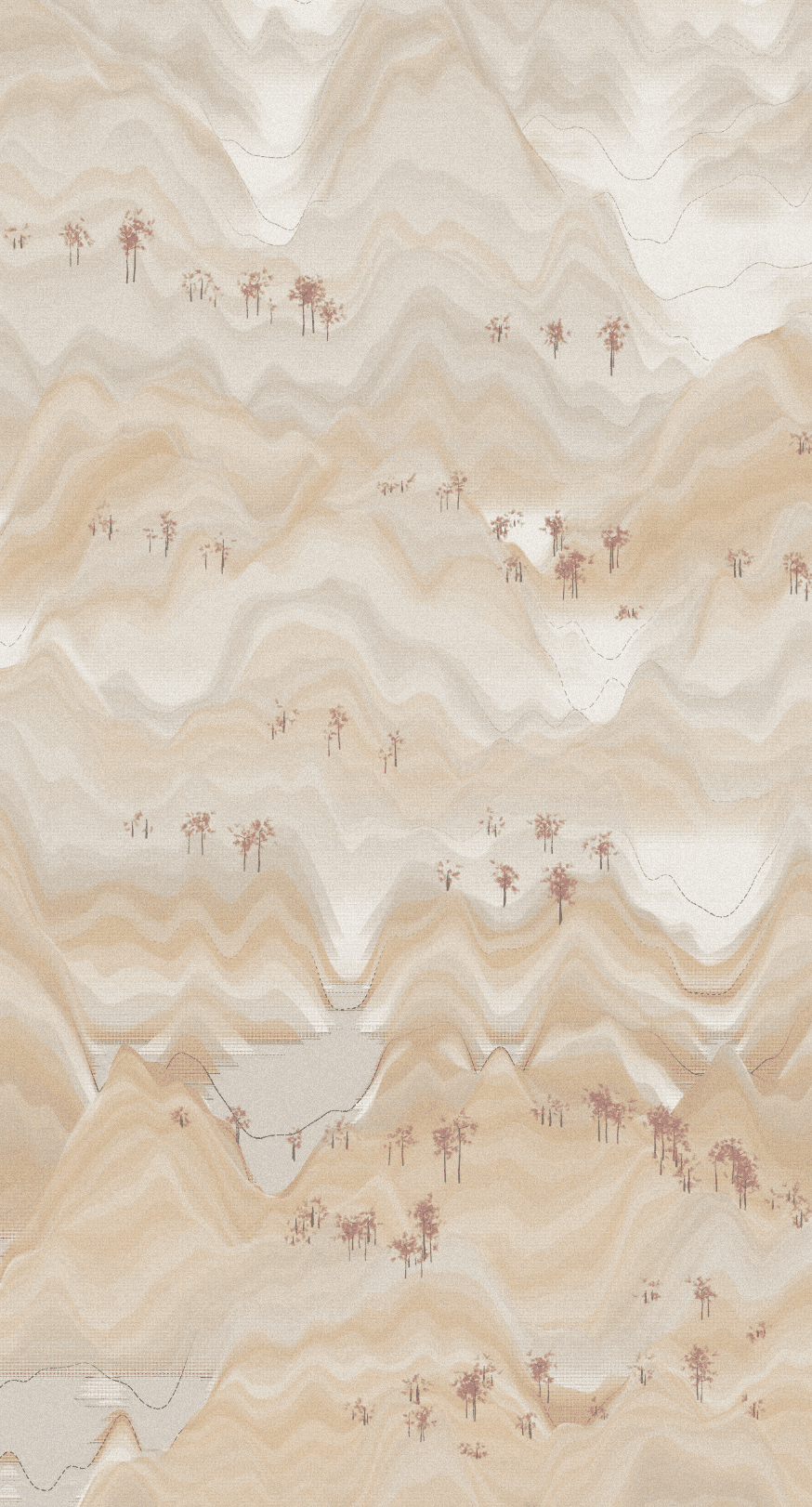
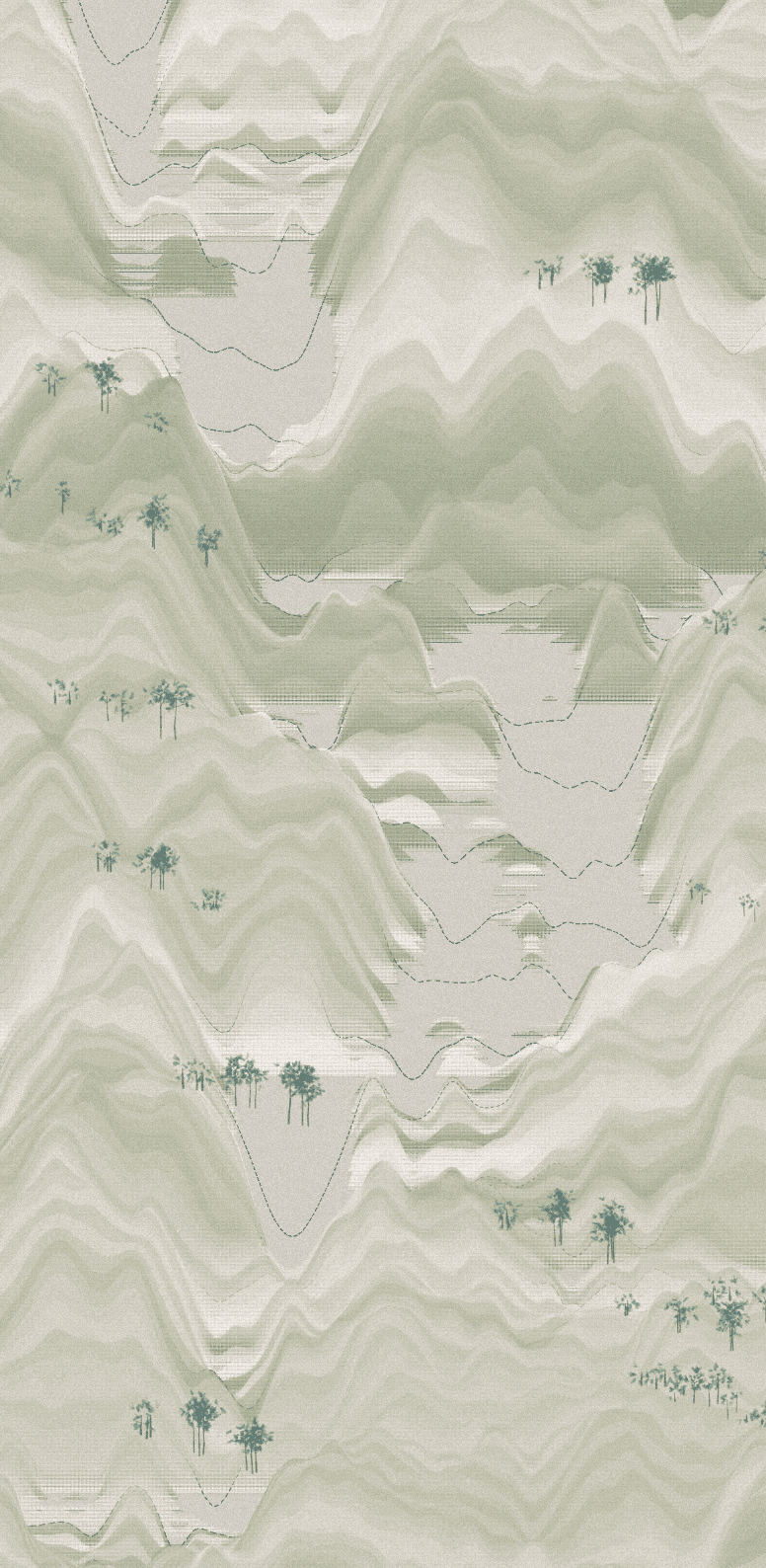

Fig 3. Generator alternates between vertical "Hanging Scroll" and horizontal "Hand Scrolls"