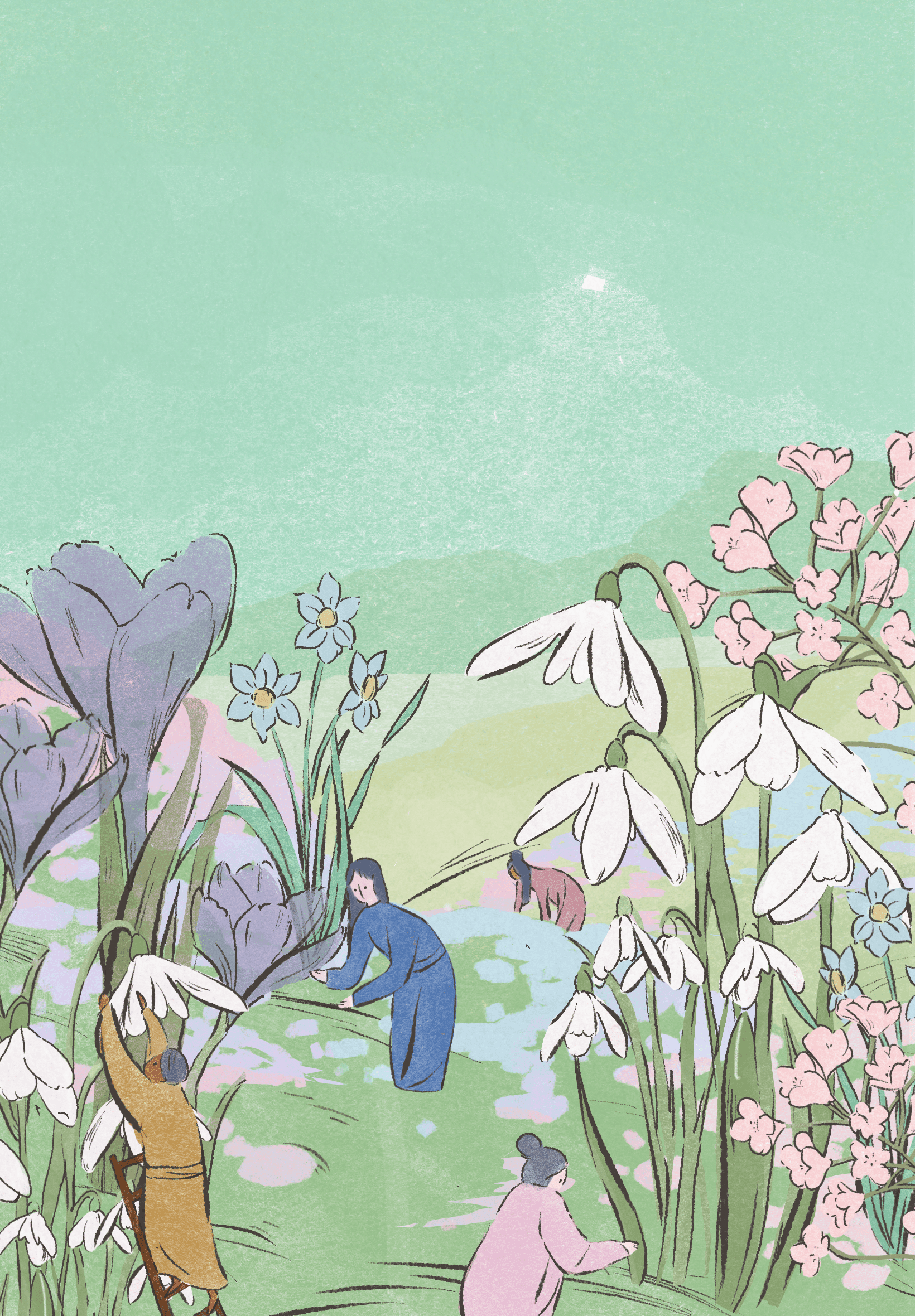
Teapot Gardens Mobile App
Worked with a group of 4 designers and 12 developers to bring Teapot Gardens, a mobile app designed to cultivate more green spaces within urban landscapes, to life. Teapot Gardens gives users the chance to explore their love for plants and their community.
Team
Darcy McSwain
Eric Zhou
Daniel Ogura
Sonya Surapaneni
Client
Teapot Garden
Type
UI/UX Design
2025 little update from me :-)
I'm now happily under contract with Teapot Garden to continue strengthening their visual identity across their social media and website.

Reshaping Teapot’s Engagement Model
Through Digital Engagement
Teapot Garden is a LA non-profit creating urban green spaces through by hosting social, garden-based events. But fragmented tools made managing events and volunteers a logistical nightmare, leading to missed opportunities and organizer burnout.
To build a truly scalable community, they required an app that could seamlessly attract new participants, keep them engaged, and turn them into committed volunteers.
Our team designed and created an app to streamline event planning and foster long-term volunteer engagement through compelling user experiences, updated art direction, and complementary visual design systems that reflect the organization's values.
01 — Scope
To start our process, we scoped out with our stakeholders our top priorities and consolidated the ideas to develop the app's driving north-stars.
Asks…
Create an app that facilities a relationship between the Attendee, their pet, their community, and in the end, Teapot Gardens.
Design specific flows that prompt users to register, and eventually feel empowered to volunteer, and use gamification and culturally-informed visual design uniquely to engage users
02 — Research
Opportunity mapping, affinity mapping, competitive analysis, user personas, and “How might we” frameworks sharpened our product vision, challenged our assumptions, and ensured our concepts were tightly aligned with the goals defined in the scoping phase.
Platforms Surveyed and Key Take Aways

There's a fine line between functionality, play and gamification.
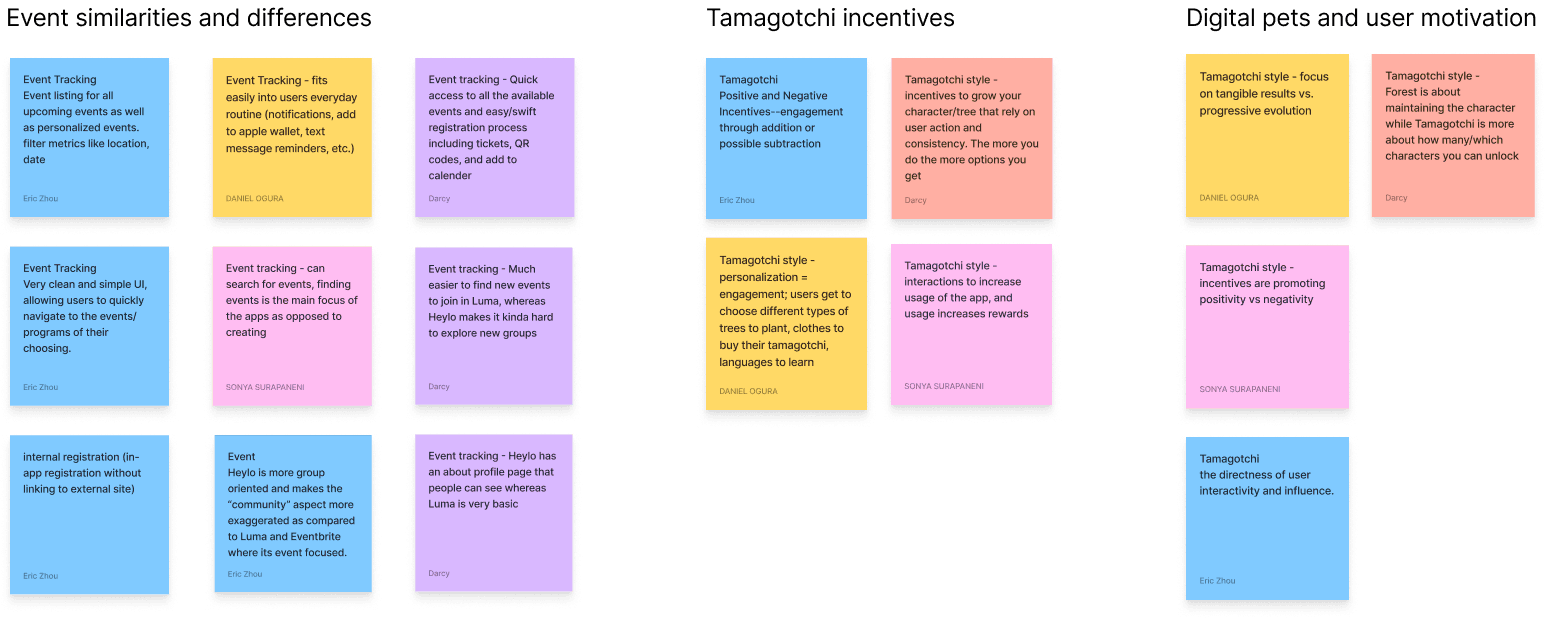
Affinity Mapping
Consolidating our competitive analysis insights through affinity mapping to sharpen our problem focus and ensure every solution direction is tightly aligned with, and directly advances, our core product and project goals.
User Persona
It’s not enough to research platforms and make assumptions. Rather than stopping at platform research and assumptions, I translated our findings into robust user personas that validated our direction and guided us toward solutions that genuinely empowered every Teapot Goer and targeted their underlying motivations.

03 — Final Solutions and Reasoning
The final design balances a unique visual identity with seamless usability. We infused the app with Teapot Garden's Persian heritage and playful spirit through subtle, intentional design elements that celebrate the organization’s cultural heart.
Creating a Warm Welcome to the Garden
We transformed onboarding from a tedious step into a story-driven welcome, immersing users in the Teapot Garden with unique animations and illustrations that felt akin to entering the garden itself.
Crafting engaging exploration through playful interaction design
Inspired by our research, we focused on making program exploration simple yet exciting. With custom illustrations and a card-swiping UX reminiscent of Pokémon playing cards, Teapotters can easily browse and find their next favorite event.
Empowering attendees through social proof and community
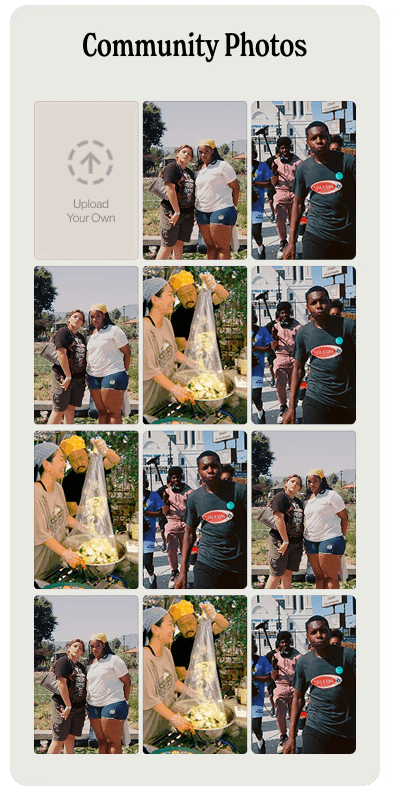
Our research showed that fear is a major barrier to event registration. To address this, our final design lets users see others who have RSVP'd, including new "Teapotters," to build trust and boost sign-ups.
A photo album feature also helps strengthen a sense of belonging and community.
Lastly, using funnel design, we focused on our client’s main priority; Encouraging attendees to sign up and volunteer.
Testing how to encourage prolonged engagement through gamification
Knowing we needed to build a system that was low effort but high reward to maintain user consistency, we referred back to our competitive analysis and tested several methods of gamification.
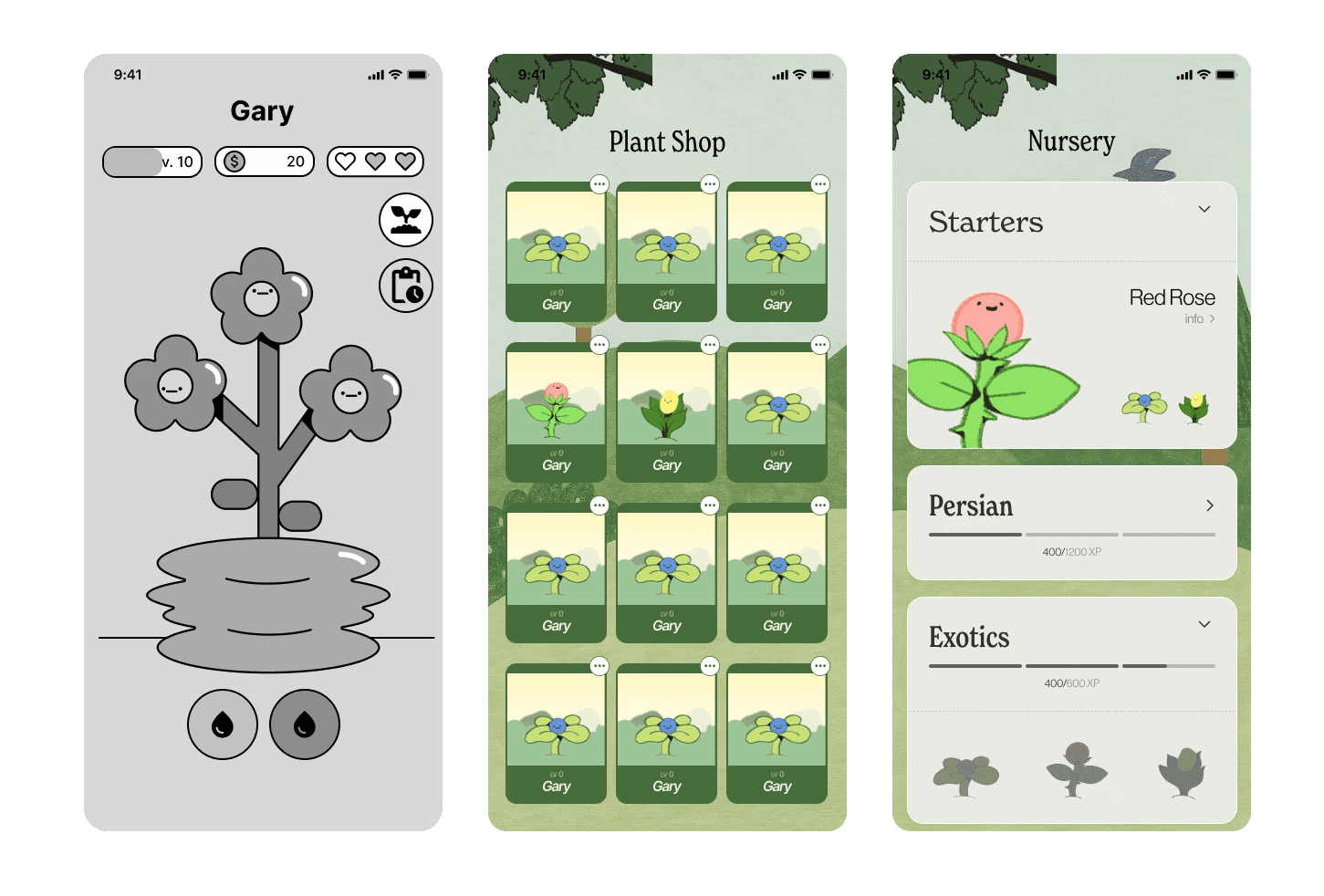
fig 1. First iteration
We tested care-based plant features, like feeding and watering, to engage users, but feedback showed these were too complex and too unrelated to event attendance.
fig 2. Plant shop iteration
We tested offering users a wide plant selection, like kids in a candy shop, but found it caused decision fatigue.
fig 3. Plant evolucation roadmap and "nursery"
We shifted to an anticipation-based model that motivates users by exciting them about unlocking new species.
The Pet Plants:
Pokemon but for adults
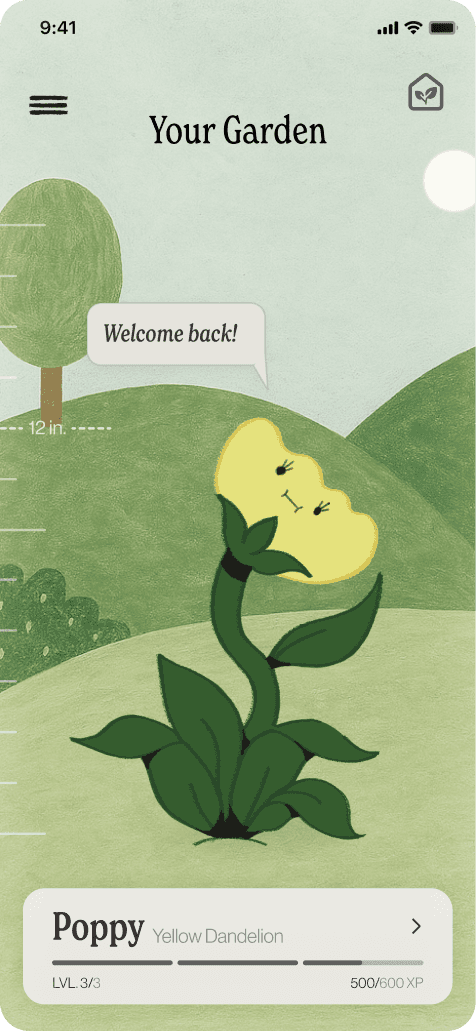
Our streamlined system lets users earn experience points by attending events, evolving their plant through three stages. When a plant is fully evolved, the next one unlocks automatically, thus eliminating decision fatigue and directly connecting event attendance to plant growth.
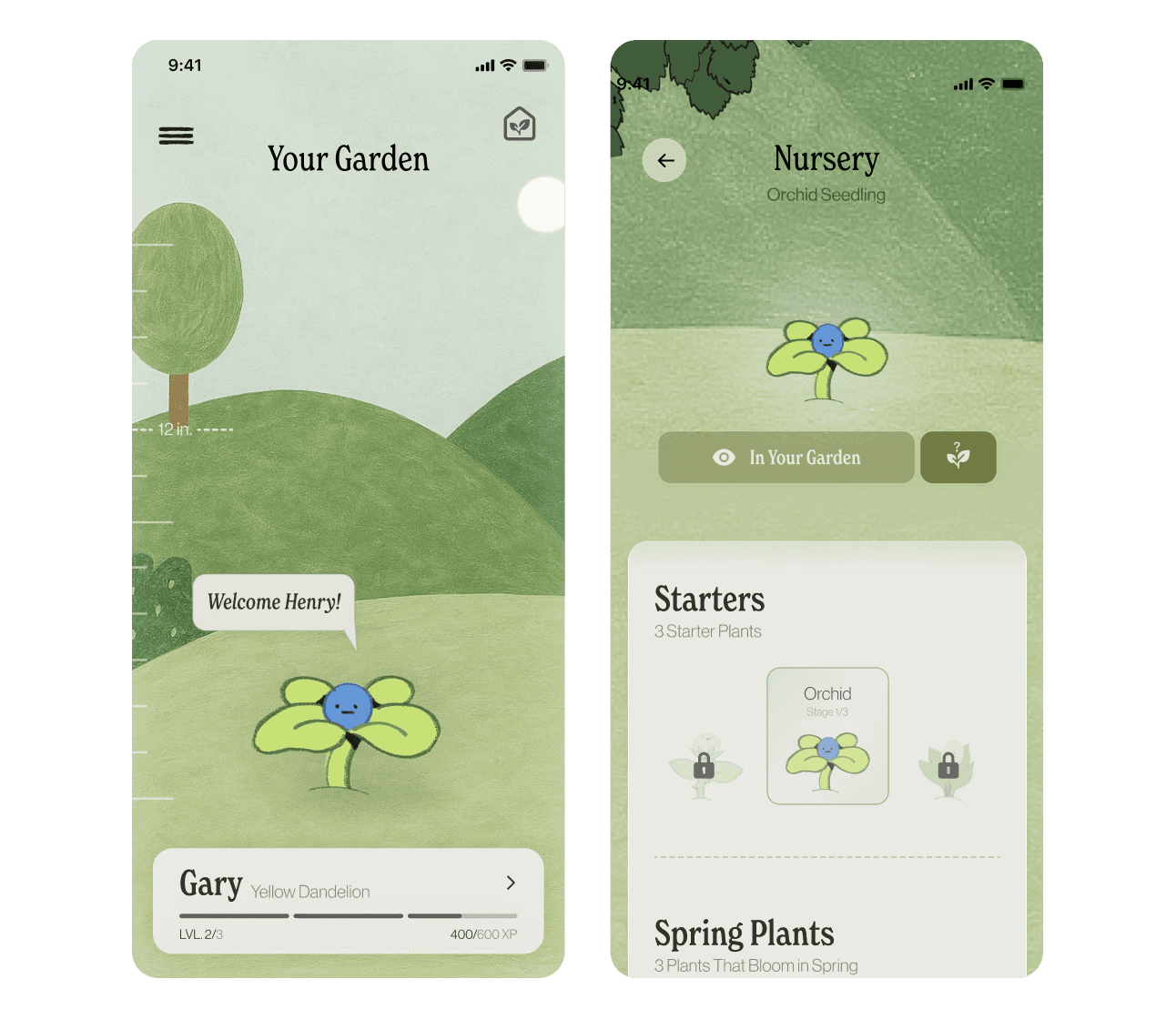
Fig 4. Static frames of Plant Garden and Nursery, where users can unlock new plant pets
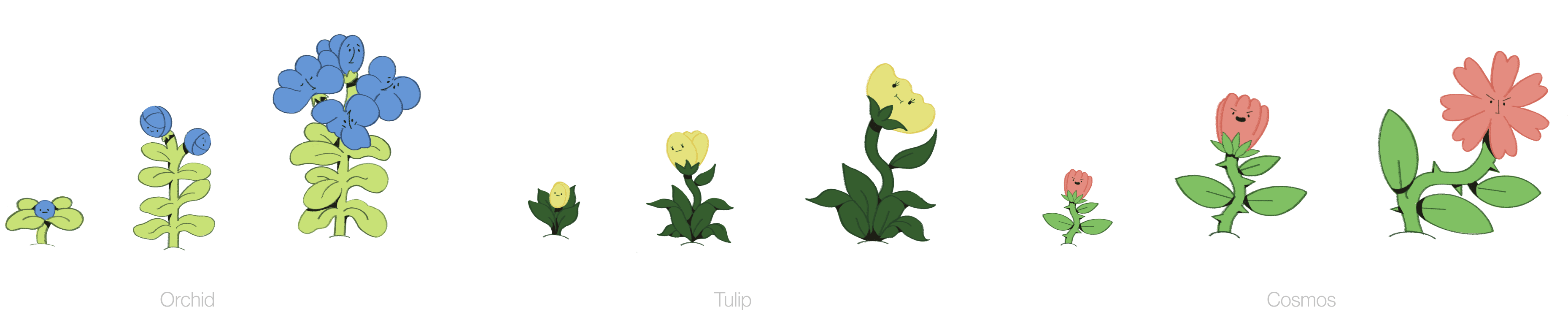
Fig 2. Plant Illustrations drawn by me
Reflection
Compared to other student projects, this was the first time I designed a product within certain constraints set by the stakeholders and the software engineers. It pushed me to think logistically and cleverly.
My team trusted me and Eric to direct the visual look of this product, from the colors, UX decisons, and illustrations and it was so fruitful seeing it come together and be exactly what our client envisoned!
Figma draw came out while this app was in progress and I got to dip my toes/and fall in love with the feature! I'm excited to use it in future products.
FUNNEL DESIGN
[ 2 ]
To support Teapot Garden's nature-based misson, we identified new information architectures, defined compelling user experiences, updated art direction, and created complementary visual design systems to reflect what the organization stands for.